
Discover the history in when the righteous triumph and the powerful story behind it.
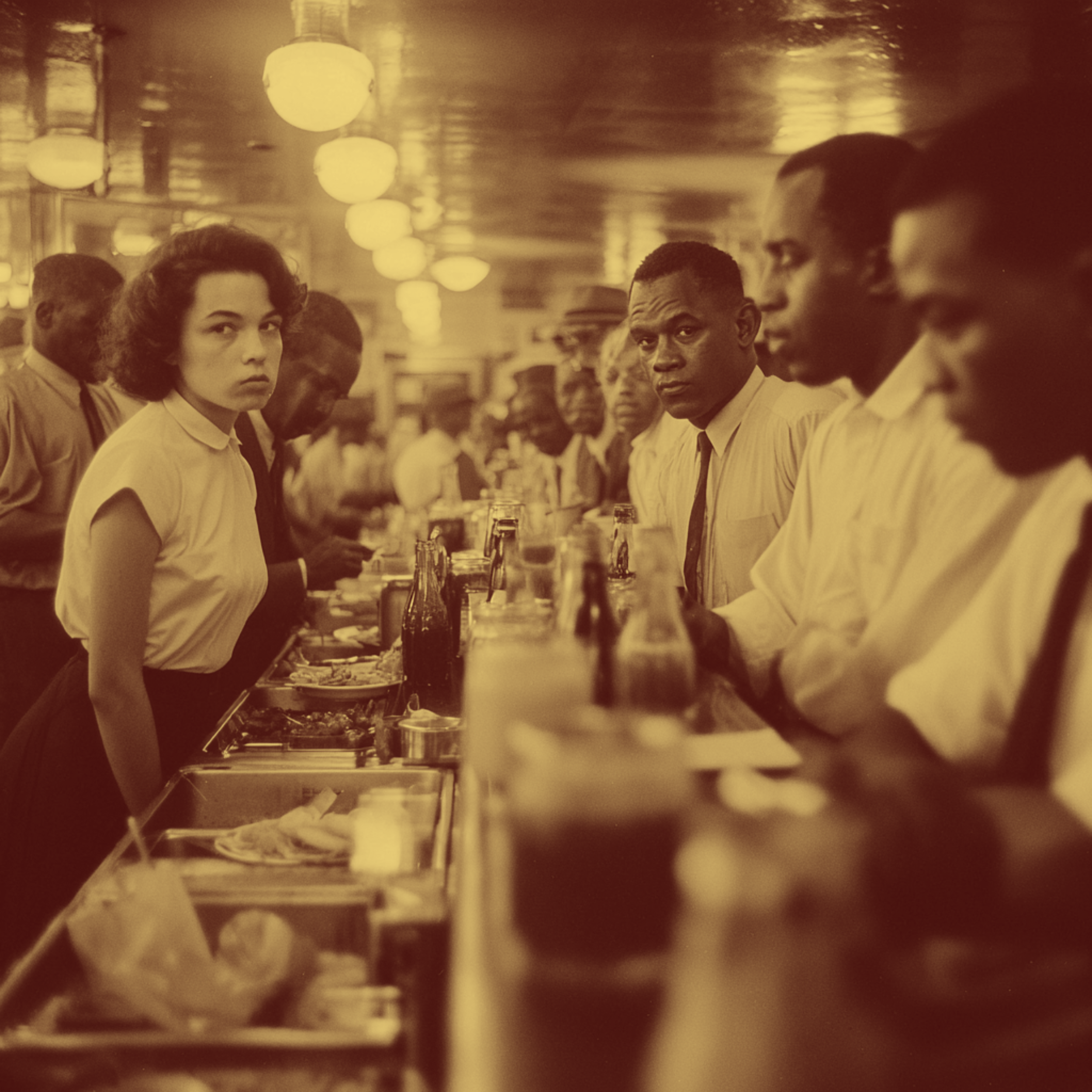
MARCH 1960
The sit-in demonstrations continue and expand throughout downtown Tampa. Students maintain strict discipline and nonviolent resistance, refusing to retaliate against hostility while demanding equal service. The organized, peaceful nature of their protests draws attention from city leaders and begins to distinguish Tampa's approach from more violent confrontations occurring elsewhere in the South.
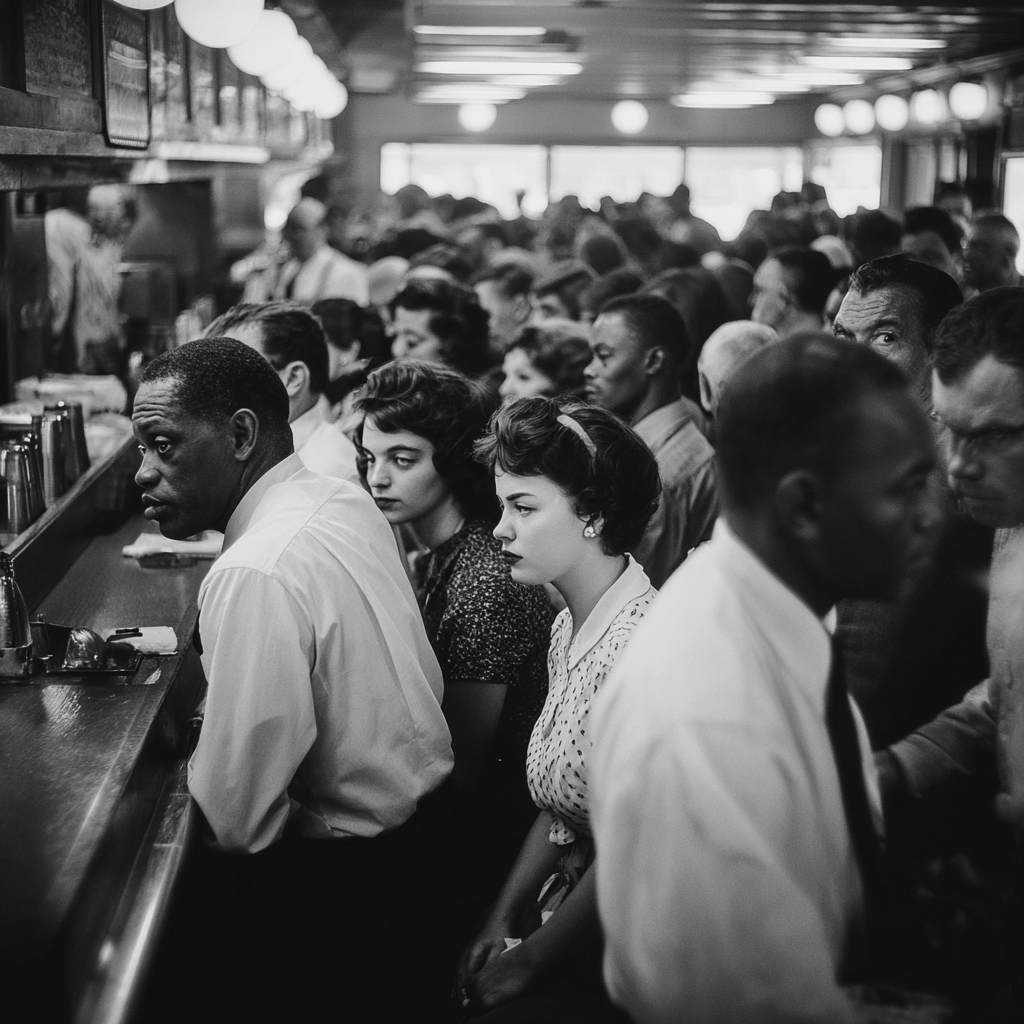
FEBRUARY, 29, 1960
Tampa students led by Clarence Fort begin their peaceful sit- in at the segregated Woolworth’s lunch counter. Their groundbreaking work with City leaders and local merchants would become known as the “Tampa Technique”. It represented a strategy of negotiation, organization, and nonviolent action that helped move Tampa toward greater equality. The success of these efforts showed that righteous perseverance could overcome deeply rooted discrimination and that ordinary people, standing together for justice, could help transform their community.
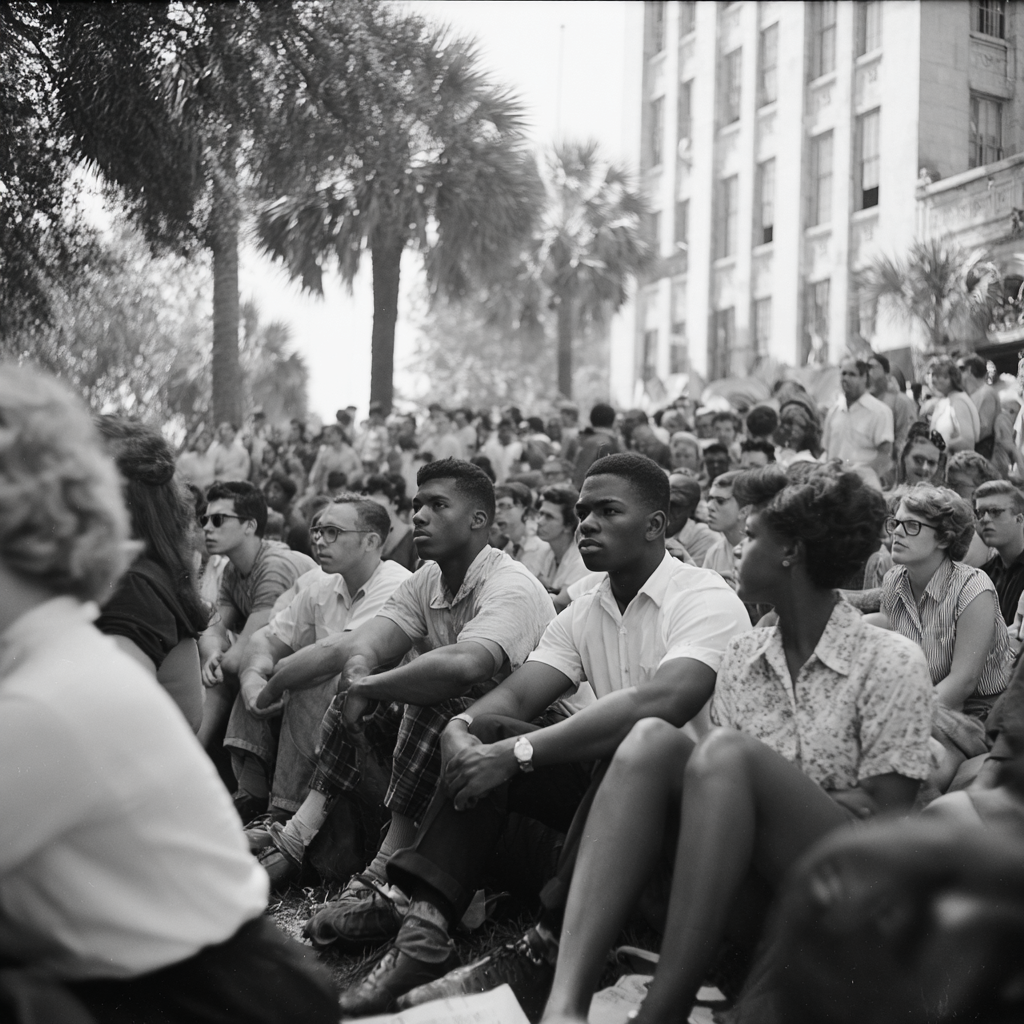
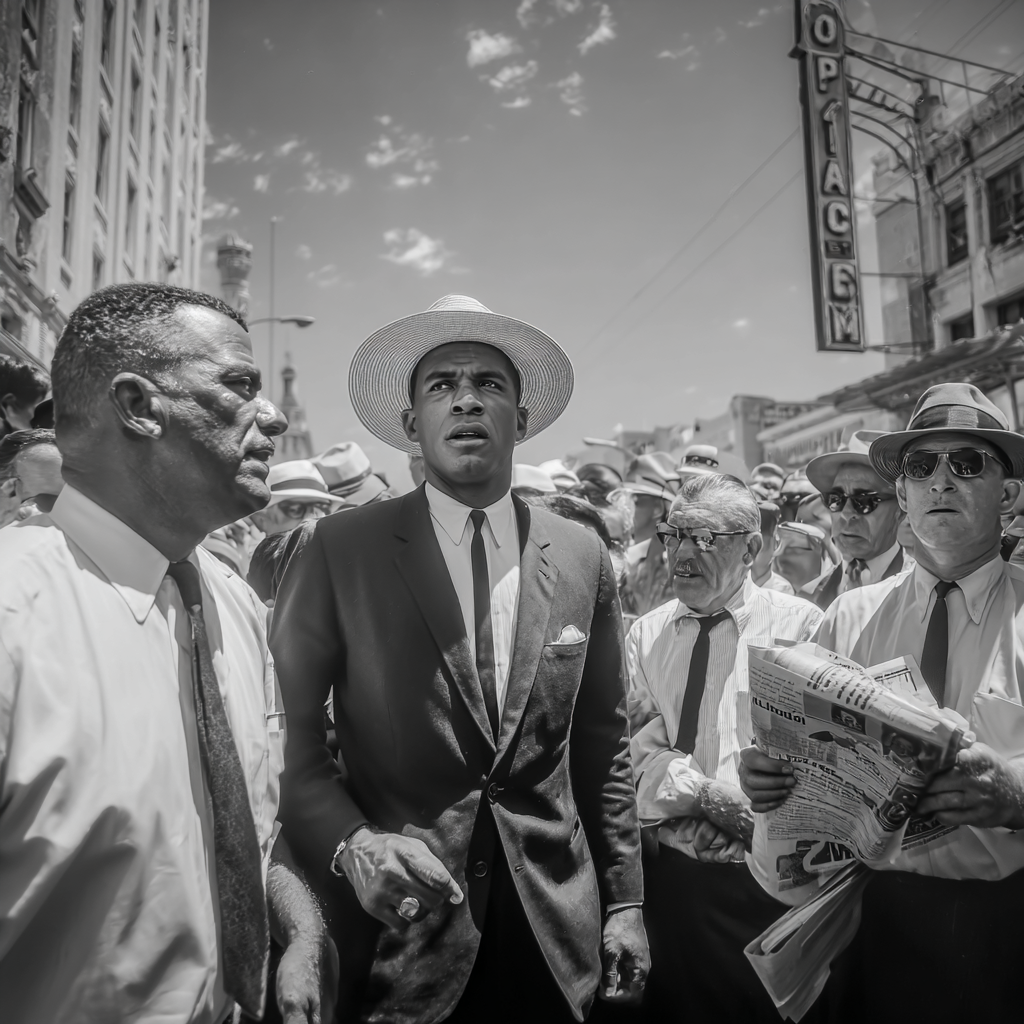
SPRING & SUMMER 1960
After negotiations intensify between civil rights leaders, Mayor Julian Lane, civic leader Cody Fowler and downtown business owners, an agreement is reached to peacefully desegregate Tampa’s downtown lunch counters, marking a historic victory for the student activists who had launched the sit-ins earlier that year. The agreement demonstrated the power of peaceful protest, determined leadership, and community cooperation in breaking down racial barriers and advancing the cause of equality in Tampa.
LATE 1960
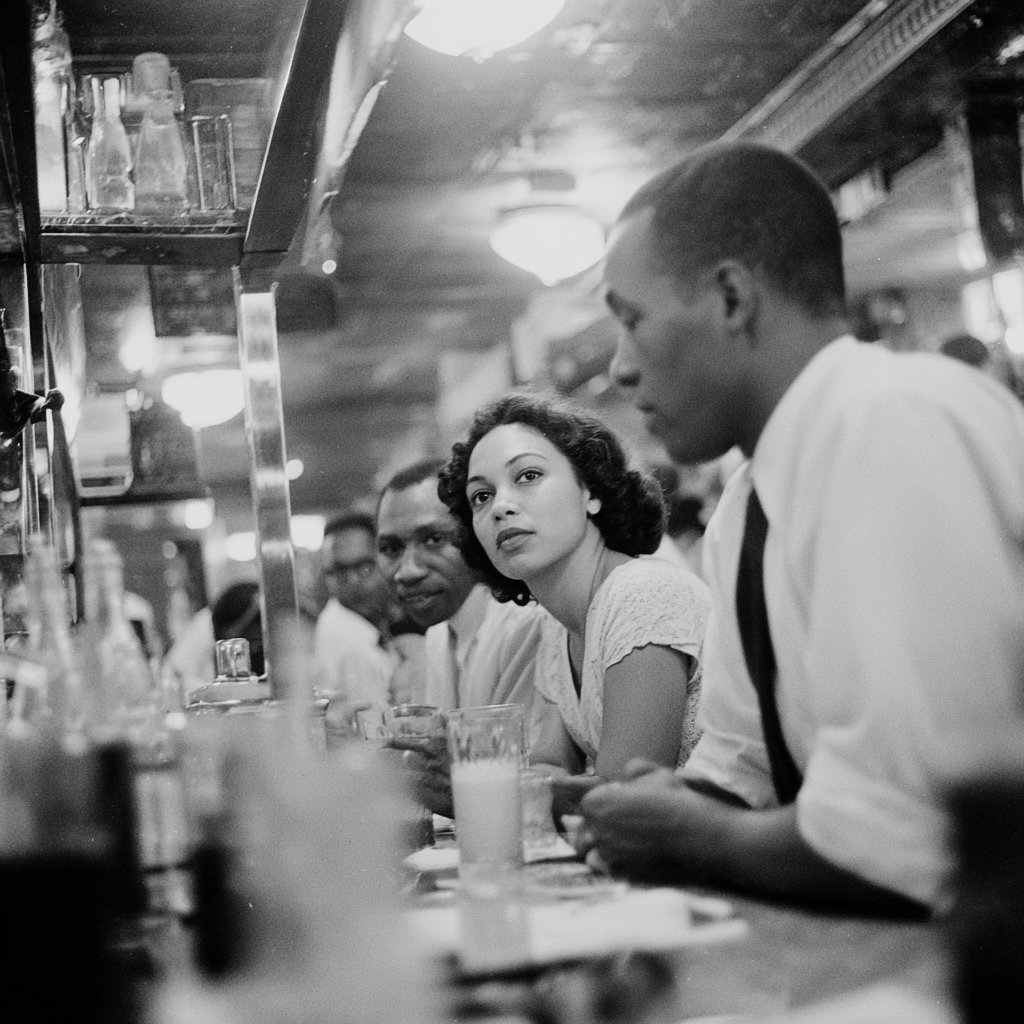
The Woolworth's lunch counter and other downtown establishments begin to desegregate, marking a major victory for the movement. The success of the Tampa sit-ins demonstrates that peaceful protest and community dialogue can achieve meaningful change without the violence that plagued other Southern cities.
PROFILES
Clarence Fort
As a 20-year-old black barber in Tampa, Clarence Fort was the catalyst and leader in organizing 40 high school students for the Tampa sit ins. As president of the Tampa NAACP Youth Council, he spearheaded the demonstrations that successfully desegregated Tampa’s downtown lunch counters. He later became the first African American long-distance bus driver in Florida for the national Trailways bus line.
Julian Lane
Julian Lane served as Tampa’s Mayor from 1959 to 1963 and was pivotal to advancing racial integration in the city. Lane formed a biracial committee of civic leaders who worked with him to peacefully desegregate Tampa’s lunch counters. Under his administration, Tampa made significant progress in race relations, which turned many segregationist whites against him and cost him re-election as Mayor.
Reverend A. Leon Lowry, SR.
Rev. A. Leon Lowry Sr. was a minister and educator who taught Rev. Dr. Martin Luther King Jr. at Morehouse College in Atlanta. In Tampa, Lowry served as senior pastor of Beulah Baptist Church and as president of the Florida NAACP. Lowry was a civil rights leader in Tampa, and his leadership in the Tampa sit ins was critical to their success. Lowry was the first African American elected to countywide office as a member of the School Board.
Cody Fowler
Cody Fowler was a prominent Tampa lawyer and past president of the American Bar Association and American College of Trial Lawyers who actively promoted improved race relations in Tampa. Fowler served as a mediator in the Tampa sits working with Rev. Lowry, Mayor Lane and local merchants. Fowler was chairman of Tampa and Florida’s bi-racial commissions.
Arthenia Joyner
Arthenia Joyner was a 17-year-old high school senior and participant in the Tampa sit ins. She later became the first Black female attorney in Hillsborough County, Florida. She is a renowned civil rights leader, heading state level Presidential campaigns as well as serving as president of the National Bar Association. Serving in the Florida State Senate for ten years, she was the first Black woman elected as the Senate Minority Leader.